
From Structural Materials to Operator Comfort: Understanding Amphibious Vehicle Design
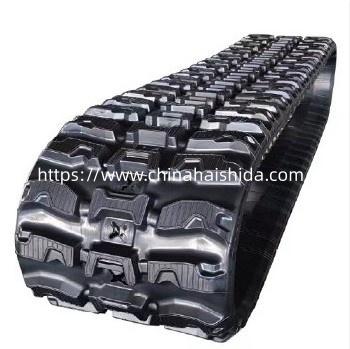
For organizations that need a specialized mobility solution beyond conventional transportation, an Amphibious All Terrain Vehicle can serve as a practical platform for personnel, equipment, and field operations. Its suitability depends on more than mobility alone, as structural materials, mechanical coordination, operator interaction, maintenance arrangements, and exterior design all influence the overall working experience. LIN HAI HAISDER MACHINERY CO.,LTD. develops specialized vehicles for rescue, disaster response, agriculture, tourism, and other professional applications.
Material selection should be viewed as a coordinated engineering process. The body structure, chassis, protective components, seals, interior surfaces, and mechanical parts each have different responsibilities. Exterior materials need to remain practical under repeated exposure to moisture, dirt, and outdoor handling, while structural components need to support the overall vehicle architecture. Looking at these materials together can give buyers a better understanding of how construction choices influence daily use.
Surface treatment is another consideration when evaluating materials. Vehicles used in outdoor operations may require frequent washing and inspection, so surfaces should be practical to clean and maintain. Protective finishes can also contribute to the visual consistency of exposed components. Buyers can ask how material selection and surface treatment relate to cleaning procedures, storage conditions, and routine service requirements.
A useful buying guide should begin with the actual workflow of the organization. Instead of selecting a vehicle only according to its general category, buyers can consider who will operate it, what equipment will accompany it, how personnel will enter and leave, and how the vehicle will be cleaned and stored. Rescue organizations, agricultural businesses, tourism operators, and utility teams can have very different priorities even when considering similar vehicle types.
Another purchasing consideration is compatibility with existing equipment. A specialized vehicle may need to work with communication devices, rescue tools, storage systems, trailers, or other field equipment. Understanding these relationships before purchasing can help organizations avoid unnecessary modifications later. It also gives buyers a clearer basis for discussing customization requirements with the manufacturer.
From a technology perspective, a specialized vehicle depends on cooperation between several mechanical systems. Power delivery, steering, traction, transmission, body protection, and water-related propulsion need to function within one coordinated architecture. Haishida's product information describes sealed vehicle construction, all-wheel-drive arrangements, shaft-driven transmission systems, and aquatic propulsion among its amphibious vehicle offerings.
Control technology directly affects the operator's relationship with the vehicle. Controls should be arranged according to practical driving tasks, while the seating position should provide a useful connection between visibility and vehicle operation. Predictable control responses can make the vehicle easier to understand, particularly when different personnel may share operating responsibilities.
Electrical and mechanical systems should also be considered from a service perspective. Components that require inspection or adjustment should have a sensible relationship with surrounding structures. When service points are clearly organized, technicians can work more efficiently and reduce unnecessary disturbance to other parts of the vehicle. This is particularly relevant for organizations that need to maintain equipment as part of regular field operations.
User experience extends beyond driving. Entry points, seating, handholds, storage areas, visibility, and access to frequently used equipment can all influence operator convenience. A vehicle may be technically capable, but awkward access or poorly arranged storage can make everyday work less comfortable. Good ergonomic planning helps connect the machine's technical functions with the people who actually use it.
Cleaning is another part of the ownership experience. Outdoor operations can leave mud, dust, plant material, and water residue around the vehicle. Buyers can therefore consider whether exterior surfaces, underbody areas, equipment spaces, and service sections are reasonably accessible for cleaning and inspection. A practical cleaning process can make routine vehicle preparation easier.
Design and appearance should reflect the vehicle's purpose. A professional exterior can organize body panels, protective structures, access points, lighting areas, and equipment spaces without unnecessary visual complexity. Consistent surface treatment and balanced proportions can create a recognizable industrial identity while also making the vehicle easier to understand during inspection and operation.
Customization can further connect design with practical requirements. Different users may need different seating arrangements, equipment locations, storage concepts, exterior finishes, or working structures. Haishida states that it provides customized and modular production services, allowing vehicle configurations to be developed around different application requirements.
For international buyers, communication with the manufacturer is an important part of the sourcing process. Application requirements, material preferences, equipment integration, maintenance expectations, customization, inspection, and delivery arrangements can all influence the final vehicle configuration. LIN HAI HAISDER MACHINERY CO.,LTD. is based in Linhai, Zhejiang, and its product range includes amphibious and utility terrain vehicles for specialized operations. More information about its vehicle solutions is available at https://www.chinahaishida.com

 English
 Arabic
 French
 Spanish
 Portuguese
 Deutsch
 Turkish
 Dutch
 Italiano
 Russian
 Portuguese (Brazil)
 Greek