
Reducing Fuel Misuse: How GPS Tracking Helps CNG Fleet Owners
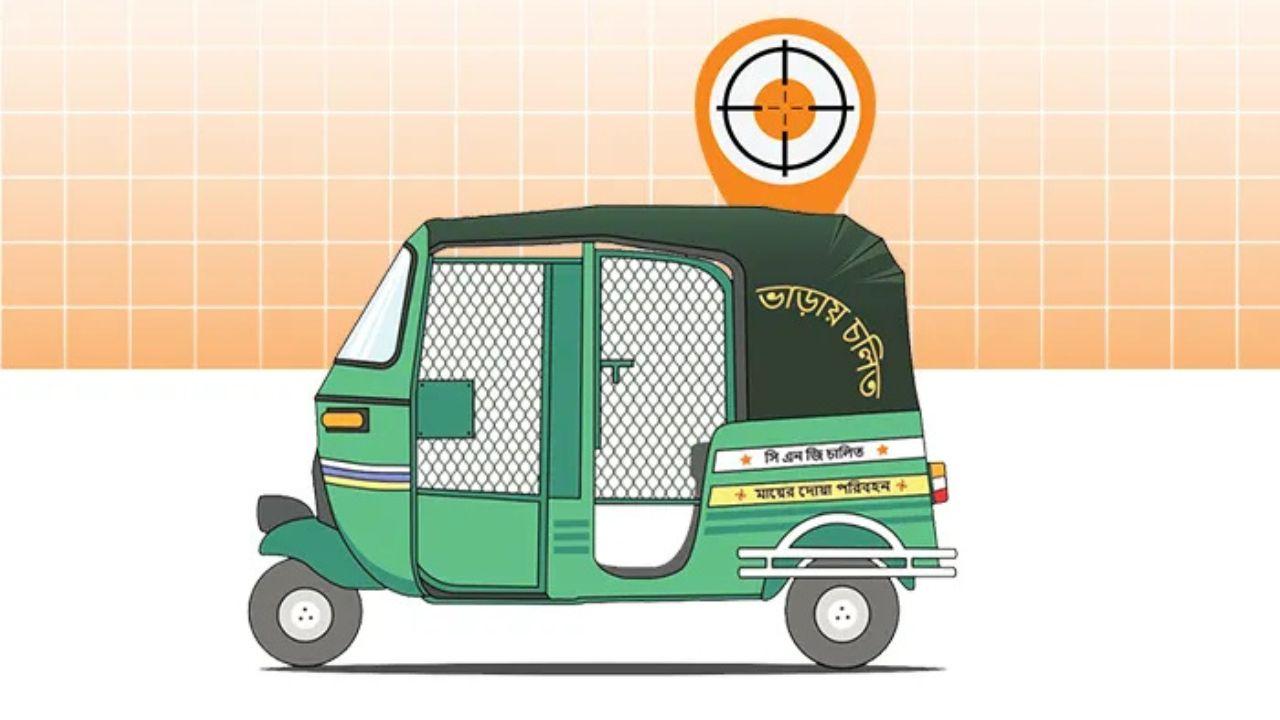
Fuel management is one of the most pressing challenges for CNG fleet operators. Inefficient fuel usage, unauthorized trips, and vehicle misuse can significantly increase operating costs, impacting profitability. In 2026, advanced GPS technologies have emerged as a crucial solution to these challenges. By leveraging GPS tracking, CNG fleet owners can monitor vehicle usage, optimize routes, and curb fuel wastage effectively.
Understanding GPS Tracking for CNGs
GPS tracking for CNGs is a technology that allows fleet managers to monitor the location, movement, and operational patterns of vehicles running on compressed natural gas. Unlike traditional fuel monitoring methods, GPS tracking provides real-time and historical data, enabling fleet owners to identify inefficiencies and prevent misuse.
Why Fuel Misuse is a Concern
Fuel costs account for a significant portion of operational expenses in CNG fleets. Misuse can occur due to:
-
Unauthorized personal trips by drivers
-
Idling during non-operational hours
-
Route deviations leading to longer journeys
-
Poor maintenance affecting fuel efficiency
According to a report by Fleet Management Today, companies lose up to 15% of fuel due to unmonitored vehicle usage. GPS tracking directly addresses this problem by offering visibility and control over fleet operations.
Benefits of GPS Tracking for CNG Fleet Owners
Real-Time Monitoring
A GPS tracker provides real-time insights into vehicle location and status. Fleet managers can see whether a vehicle is running on its designated route, how long it has been idling, and if it deviates from assigned paths. This real-time monitoring helps reduce fuel wastage and ensures that CNG resources are used optimally.
Route Optimization
GPS tracking systems allow fleet operators to analyze routes and identify the most fuel-efficient paths. By avoiding congested areas or unnecessary detours, vehicles consume less fuel. For example, a delivery CNG fleet in Dhaka reported a 12% reduction in fuel usage after implementing GPS-based route optimization strategies.
Driver Behavior Analysis
Monitoring driver behavior is key to preventing fuel misuse. GPS tracking for CNGs can detect aggressive driving, overspeeding, and excessive idling, all of which contribute to higher fuel consumption. Fleet managers can use this data to provide feedback, train drivers, and establish accountability measures.
Unauthorized Usage Prevention
Unauthorized trips are a common cause of fuel misuse. GPS trackers help by sending alerts when a vehicle leaves a predefined geofence or operates outside working hours. This ensures that vehicles are used strictly for business purposes and not personal gain.
Maintenance Scheduling
Poor vehicle maintenance leads to inefficient fuel use. GPS tracking systems often integrate with maintenance management tools to alert owners about scheduled servicing, engine diagnostics, and fuel efficiency metrics. Regular maintenance ensures that CNG vehicles operate optimally, reducing fuel wastage over time.
How GPS Tracking for CNGs Works in Practice
Implementing GPS tracking involves a few simple steps:
-
Installation of GPS Device: A compact GPS device is installed in the vehicle, typically connected to the engine system to collect data on fuel usage and vehicle movement.
-
Integration with Monitoring Software: The device communicates with a software platform that fleet managers can access via web or mobile apps.
-
Data Analysis and Alerts: Managers can view live location, historical routes, and fuel consumption patterns. Alerts for deviations, idling, or maintenance needs are automatically generated.
-
Actionable Insights: Using this data, operators can optimize routes, monitor driver behavior, schedule maintenance, and reduce fuel misuse.
Case Study Example
A medium-sized CNG transport company implemented GPS tracking for their 50-vehicle fleet. Within six months, the company observed:
-
18% reduction in fuel consumption
-
25% decrease in unauthorized trips
-
Enhanced driver accountability
This demonstrates the practical impact of GPS tracking for CNG fleet management.
Expert Tips for Maximizing Fuel Efficiency
-
Set up geofencing to limit vehicle operation to designated areas.
-
Monitor idling times and encourage drivers to switch off engines during stops.
-
Regularly review route data to identify inefficiencies.
-
Combine GPS tracking with driver training programs focused on fuel-efficient driving habits.
For more insights on fleet management strategies, check Fleet Owner Magazine.
Conclusion
Fuel misuse is a critical challenge for CNG fleet operators, but GPS tracking offers an effective solution. By providing real-time monitoring, route optimization, driver behavior analysis, and maintenance alerts, GPS tracking for CNGs empowers fleet owners to reduce fuel wastage, increase efficiency, and protect their investment. Implementing this technology not only ensures better control over operational costs but also supports a more sustainable and accountable fleet management system.
iTracker’s advanced GPS solutions make it easier for CNG fleet owners to monitor every vehicle, prevent misuse, and optimize fuel usage, ensuring a smarter and more efficient fleet operation in 2026 and beyond.

 English
 Arabic
 French
 Spanish
 Portuguese
 Deutsch
 Turkish
 Dutch
Dutch
 Italiano
 Romaian
 Portuguese (Brazil)
 Greek
Greek