
Lost Mary BM6000: Features, Technology and Device Safety Explained
Introduction
The Lost Mary BM6000 disposable vape device belongs to a category of vaping products that combines prefilled e-liquid systems with electronic heating technology. Understanding how these devices operate involves examining their battery systems, liquid storage, coil construction and maintenance requirements. For adults researching vaping equipment in Ireland, accurate technical information is particularly important because devices with similar appearances may have different operating mechanisms, nicotine contents and component configurations.
How Modern Prefilled Vape Devices Function
Prefilled vaping systems contain several components that work together to generate an aerosol. Although manufacturers use different configurations, the basic technology generally includes a battery, heating element, airflow pathway and liquid storage section.
When activated, the battery supplies electrical energy to the heating element. This heats the surrounding liquid, producing an aerosol that travels through the mouthpiece.
The process depends on several technical factors:
-
Battery capacity: Determines the nominal amount of electrical energy available.
-
Heating element: Influences how energy transfers to the liquid.
-
Liquid formulation: Contains ingredients that affect aerosol characteristics.
-
Airflow design: Controls how air moves through the device.
-
Electrical regulation: Helps manage power delivery during operation.
These elements explain why two devices with similar external designs may behave differently.
Understanding the BM6000 Device Format
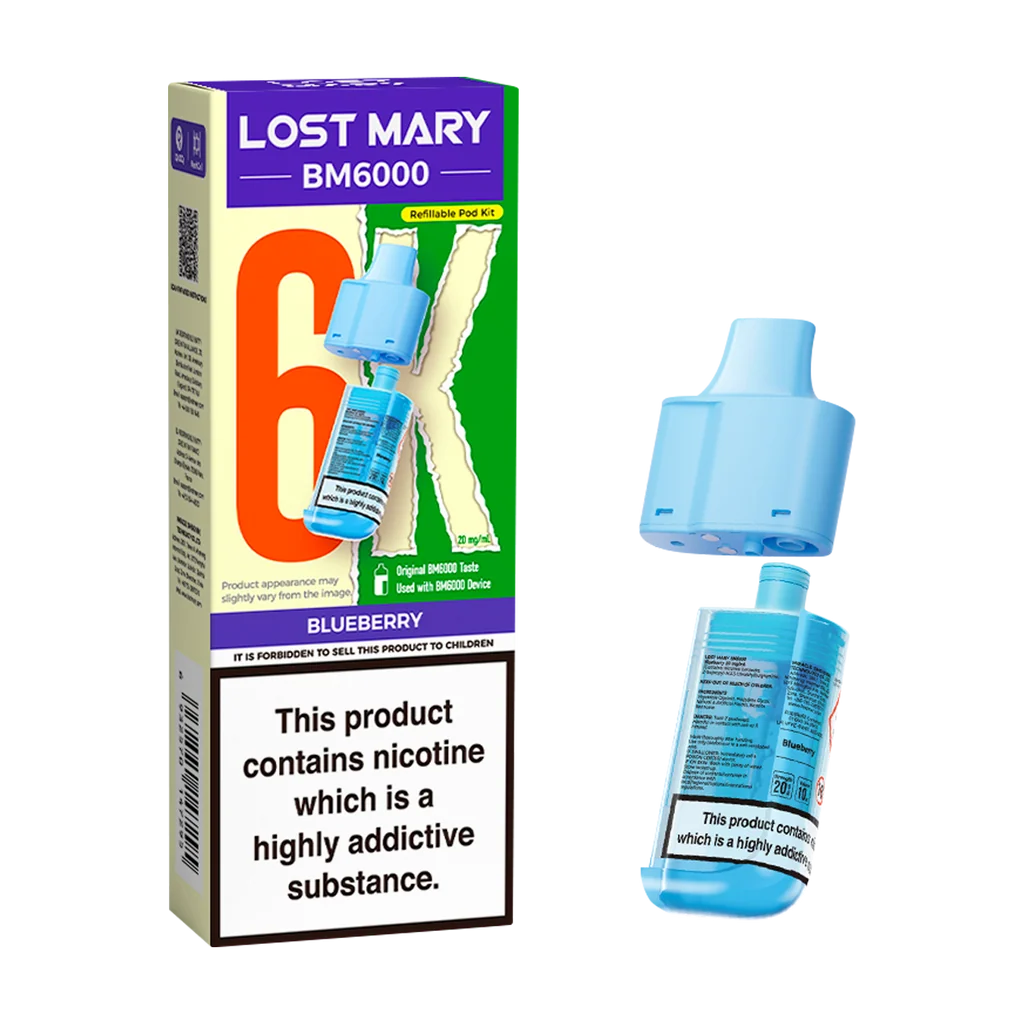
The BM6000 is associated with a multi-component prefilled system rather than the traditional single-use format found in some earlier vaping products. Depending on the market-specific version, the design incorporates rechargeable electronics and a liquid supply arrangement intended for the compatible device. The term disposable can therefore be misleading when applied broadly to every product in this category. Some modern systems contain reusable electronic sections while other components are replaced after use. Consumers should check the exact manufacturer's instructions because product configurations, legal availability and packaging can differ between countries.
Why Advertised Puff Counts Need Context
Puff counts are estimates rather than guaranteed measurements of device lifespan.
Actual liquid consumption depends on inhalation duration, airflow, electrical characteristics and other operating conditions. A number displayed on packaging should not be interpreted as a fixed quantity that every user will experience.
Puff-count claims also do not establish whether a product meets applicable Irish or European regulations.
Mesh Coil Technology and Liquid Heating
Many modern vaping products use mesh-style heating elements instead of traditional wound wire coils. A mesh element provides a different heating surface geometry, allowing manufacturers to manage heat distribution through the surrounding wicking material. However, coil construction alone does not determine overall quality. Electrical regulation, wick saturation, manufacturing consistency and liquid composition also influence operation. If a heating element operates without adequate liquid, the wicking material may overheat. This can produce an unpleasant burnt sensation and potentially harmful emissions.
Devices showing signs of malfunction, excessive heating or damage should not continue to be used.
Comparing Different Lost Mary Product Designs
Product names within the same brand do not necessarily indicate identical technical specifications. For example, the lost mary qm600 represents another product line associated with the Lost Mary range. Comparing model documentation can help identify differences in construction, power systems and intended operation.
Important comparison points include battery configuration, charging capability, liquid capacity, coil construction and manufacturer compatibility information.
An important distinction involves replaceable components. A cartridge or liquid container designed for one product should never be assumed compatible with another simply because both carry the same brand name.
Incorrect component matching may cause leaks, poor electrical connections or device failure.
Nicotine Content and Ingredient Transparency
Understanding the contents of vaping liquids is essential when examining nicotine-related products. Common liquid ingredients include propylene glycol, vegetable glycerine, flavouring substances and nicotine where applicable. Nicotine concentration is normally expressed in milligrams per millilitre. This figure describes the concentration within the liquid, not the exact amount absorbed by an individual. Nicotine is addictive and can affect cardiovascular function. Vaping is not risk-free, including when products contain no nicotine. Adults who do not smoke or otherwise use nicotine should not start using nicotine products.
Product labels should provide accurate ingredient and nicotine information alongside appropriate health warnings.
Battery Safety and Electronic Waste
Rechargeable vaping equipment commonly contains lithium-ion batteries, which require appropriate handling.
Damaged battery casings, unusual heat, swelling or charging problems may indicate unsafe operating conditions.
Manufacturer-approved charging instructions should be followed, and charging equipment should not be modified.
Disposal is another important consideration. Electronic vaping devices contain materials that should not be placed in ordinary household rubbish.
In Ireland, applicable electrical waste collection arrangements can provide appropriate disposal routes for electronic components and batteries.
Irish Regulations and Product Compliance
Vaping products offered in Ireland are subject to legal requirements addressing nicotine products, packaging, sales and consumer protection.
For nicotine-containing e-cigarettes, relevant European rules include restrictions on nicotine concentration and container capacity, together with notification and labelling obligations.
Ireland also prohibits selling nicotine-inhaling products to individuals under 18.
Consumers should not assume that every product advertised internationally is legally available in Ireland.
Checking current requirements through the Health Service Executive and relevant Irish legislation provides a more reliable basis than relying on marketing descriptions.
Final Perspective on Understanding Vape Technology
Modern prefilled vaping systems involve more technical variation than their external appearance suggests. Battery design, heating technology, liquid storage and electrical regulation all influence their operation. Understanding these characteristics helps adults interpret product descriptions, identify compatibility limitations and recognise potential safety issues. Accurate documentation, clear nicotine warnings, appropriate electronic waste handling and compliance with Irish regulations remain essential considerations when evaluating products in this category.
Want to read more?? If yes then click here

 English
 Arabic
 French
 Spanish
 Deutsch
 Turkish
 Dutch
 Italiano
 Russian
 Romaian
 Portuguese (Brazil)
 Greek