
Chuanya Chinese Resin Roof Tiles and Evolving Industrial Spaces
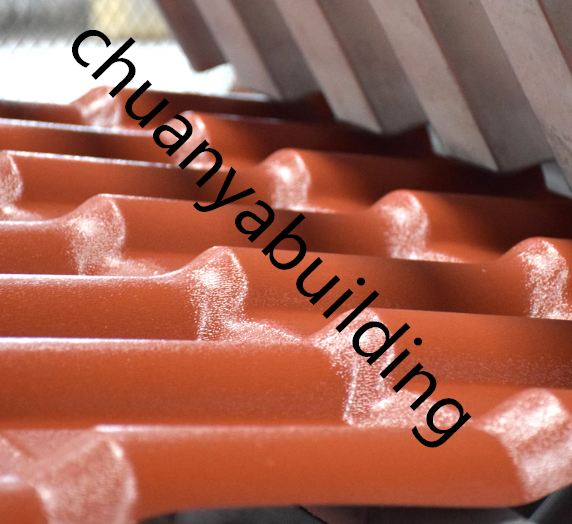
In today's changing construction landscape, Chinese Resin Roof Tiles are drawing attention from factory planners seeking balance between appearance, durability, and long-term usability. Chuanyabuilding brings this material into wider industrial conversations by connecting roofing choices with real production environments and architectural flow. When functional rooftops begin shaping workspace quality, where should project teams start?
Industrial buildings now serve far beyond basic manufacturing. Many facilities combine storage, logistics, assembly, and administrative operations within a single site, which means every structural element influences daily performance. Roofing plays a quiet yet important role in this system, affecting interior comfort, exterior identity, and maintenance planning across large footprints.
Developers increasingly focus on materials that support smooth workflows while maintaining visual consistency. Resin-based roofing solutions respond to this shift by offering lightweight structures paired with stable surface performance, making them suitable for factories that require reliable enclosure without complex installation processes. When integrated into steel frameworks or concrete layouts, these tiles contribute to clean rooflines that complement modern industrial design.
Climate exposure remains one of the primary challenges for factory rooftops. Temperature changes, seasonal rainfall, airborne dust, and sunlight all interact with roofing surfaces throughout the year. Choosing materials designed for these conditions helps protect structural frameworks while supporting indoor environments that remain comfortable during long operating hours.
At the same time, sustainability thinking continues shaping material selection. Industrial planners now consider how roofing systems influence ventilation, heat reflection, and energy-aware layouts. Resin tiles support these goals through adaptable profiles that align with airflow planning and daylight strategies, helping facilities move toward balanced environmental performance without disrupting architectural rhythm.
Employee experience has also entered design discussions. Natural light, temperature stability, and acoustic comfort affect how teams interact with their surroundings. Roofing materials that integrate smoothly with skylights or translucent panels help create brighter interiors, reducing reliance on artificial lighting during daytime operations and contributing to calmer production spaces.
Flexibility matters as factories evolve. Production lines change, storage zones expand, and hybrid operations emerge as businesses adapt to shifting market demands. Roofing systems that accommodate these transitions allow buildings to grow without requiring major structural revisions. This adaptability supports long-term facility planning and provides project owners with confidence as operational needs develop.
Rather than viewing roofing as an isolated purchase, many project teams now treat it as part of a broader building strategy. Layout coordination, drainage pathways, and exterior appearance are reviewed together during early design stages. This integrated approach reduces later modifications and supports smoother collaboration between architects, engineers, and contractors.
Chuanya approaches roofing from this application-first perspective. By aligning material options with real industrial scenarios such as logistics centers, processing plants, warehouses, and workshops, the platform helps professionals visualize how rooftops interact with daily workflows. Educational resources and project-oriented guidance further assist decision makers in navigating complex construction choices.
Global manufacturing continues expanding, bringing diverse climate conditions and structural standards into focus. Sharing practical knowledge across regions supports clearer communication among stakeholders and encourages thoughtful material selection. Access to industry insights allows developers to move from concept drawings to finished rooftops with greater clarity.
For those exploring dependable roofing pathways for industrial environments, additional perspectives on materials and factory applications are available at https://www.chuanyabuilding.com/ . As production spaces continue adapting to operational and architectural expectations, could your next facility begin with a roofing solution that connects structure, comfort, and long-term vision?

 English
 Arabic
 French
 Portuguese
 Deutsch
 Turkish
 Dutch
Dutch
 Italiano
 Russian
 Romaian
 Portuguese (Brazil)
 Greek
Greek