
Can Chinazhengya Mechanical Hanging Scale Match Your Daily Weighing Needs
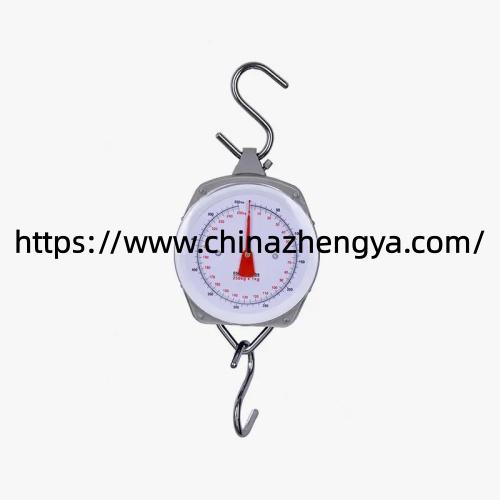
Mechanical Hanging Scale selection should start with the actual weighing task, the expected load, and the environment where the equipment will be used. Buyers should consider capacity, readability, suspension structure, dial visibility, dimensions, materials, and adjustment requirements before placing an order. These factors can affect everyday handling and whether the equipment fits naturally into an existing workflow. Hanging models are commonly used when a flat weighing surface is unavailable or when irregular goods need to be suspended during measurement.
Capacity deserves careful attention because it determines the range of loads that can be handled. Buyers should identify the usual weight of their goods as well as the heaviest expected load. Choosing a range that fits the application gives operators enough working room without selecting unnecessary capacity. The selected specification should always follow the manufacturers rated limits and operating instructions. Application guides also recommend checking that the weighing range exceeds the expected maximum load.
Readability is another detail that can easily be overlooked. A large dial may be helpful when operators need to read the result from a short distance, while clear graduations can make routine checks easier. Buyers should think about the smallest weight difference that matters in their work. A produce market, workshop, warehouse, or food preparation area may have different reading requirements. Official examination guidance for hanging equipment includes minimum graduated interval and customer readability among the points that should be inspected.
The suspension structure also deserves close attention. A buyer should examine the upper loop or attachment point, lower hook, connection areas, and any locking or securing components included with the selected model. These parts directly affect how goods are attached during use. The shape of the hook should suit the containers, bags, baskets, or other items commonly handled. Some commercial products use upper and lower hooks, while other configurations may use different suspension arrangements.
Materials should be considered according to the workplace. Dry indoor areas may have different requirements from locations exposed to moisture, food residue, dust, or frequent cleaning. Buyers can check the housing material, face protection, hook material, and surface treatment before ordering. If the equipment will be moved between locations, overall size and weight also become relevant. A compact structure may be convenient when operators need to carry it between work areas.
Operating conditions should be reviewed before purchase as well. Temperature changes, vibration, cleanliness, and the stability of the suspension point can influence everyday use. NIST examination guidance specifically lists suspension, zero load balance, environmental factors, and reading agreement as inspection considerations. This makes the installation environment an important part of the buying decision rather than something to consider after delivery.
Zero adjustment is another useful feature to check. Small changes can occur during transportation, installation, or routine handling, so buyers should understand how the zero position is checked and adjusted. Some traditional dial models include a dedicated adjustment mechanism for this purpose. Buyers should also ask whether operating instructions, calibration information, and maintenance guidance are supplied with the product.
The intended application should guide the final selection. Markets may need clear readings and convenient handling for produce or packaged goods. Workshops may focus on construction and attachment methods. Warehouses may pay closer attention to load range and repeated handling. Agricultural users may need a configuration suited to sacks, feed, or harvested products. Suspended equipment is also useful for irregularly shaped items that are inconvenient to place on a flat platform.
For commercial transactions, buyers should also check applicable local requirements. Depending on the country and intended use, verification, calibration, certification, or legal for trade requirements may apply. Product selection should therefore include a review of local regulations instead of assuming that every model is suitable for transactions based on weight. This is especially important when measured values are directly connected with pricing.
Chinazhengya focuses on practical weighing equipment for customers who need straightforward operation and application focused specifications. Buyers can compare capacity, readability, construction, suspension components, and working conditions according to their actual requirements. Taking these points into account before ordering can make product selection clearer and help businesses prepare suitable equipment for their daily workflow.
A good purchase does not end with choosing a specification. Operators should use the equipment within its rated range, keep the working components clean, check the zero position when appropriate, and follow the manufacturers maintenance guidance. Regular inspection can also help identify wear or changes that may require attention. For buyers reviewing available products, specifications, and application options, the Chinazhengya product range can be viewed at https://www.chinazhengya.com/product/ as a natural next step in comparing suitable solutions.

 English
 Arabic
 French
 Spanish
 Portuguese
 Deutsch
 Turkish
 Dutch
Dutch
 Italiano
 Russian
 Romaian
 Portuguese (Brazil)