
How Chuanya Chinese Roof Tiles Influence City Styles
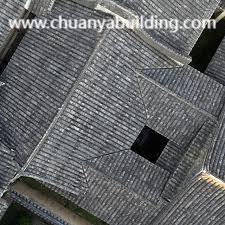
The growing attention on Chinese Roof Tiles invites designers and builders to revisit roofing culture shaped by centuries of craftsmanship, and chuanyabuilding has become part of conversations about how these tile forms support projects seeking deeper architectural expression, offering surfaces that blend structural clarity with regional identity in ways that shape both private and public environments, while encouraging communities to ask how such materials might frame their next chapter of construction?
Across expanding districts, the search for meaningful roof solutions often reflects a desire for harmony between structure, climate, and visual balance. Regions experiencing shifting winds, dense rainfall, and varied sunlight patterns require materials capable of maintaining stability under long exposure. Traditional roof profiles continue to appear in contemporary landscapes as cities seek a connection between heritage and modern planning. Builders examine tile composition, surface integrity, resistance traits, and the ability to retain shape across seasonal transitions, creating new discussions about how roof choices influence long term comfort and cultural continuity throughout diverse urban zones.
As construction sectors evolve, attention shifts toward components that maintain form while accommodating wide roof spans and architectural curves that define city skylines. The appeal of tiles shaped with dense structure and consistent lines has grown among planners who desire unified roof layers capable of supporting cultural narratives without overwhelming structural frameworks. Roofing culture often extends beyond aesthetics, influencing energy flow, interior atmosphere, and long time building resilience. When roof surfaces maintain their color, texture, and visual rhythm, entire communities experience stronger visual coherence and improved long horizon planning potential.
Residential areas and expanding public spaces present architectural challenges that call for materials offering dependable behavior under rising temperatures, increasing humidity variations, and shifting environmental patterns. Roof tiles that maintain shape and surface clarity help planners address these conditions without compromising building identity. Discussions in design forums highlight how roof materials influence the psychological atmosphere of communities, shaping impressions of safety, warmth, and regional style. The significance of tile form, density, and assembly methods has grown, reflecting a global interest in sustainable but culturally resonant building solutions.
Roof craftsmanship has always held symbolic meaning in many regions, especially where tile contours reflect history, artistic influence, and local tradition. Builders aiming to preserve architectural lineage while embracing efficient workflow consider roofing options that balance classic form with simplified installation. Tile design contributes to cultural memory by reinforcing lines associated with ancient courtyards, hillside villages, and evolving coastal towns. These visual elements play a role in guiding regional identity, allowing projects to represent both continuity and modern innovation.
Across commercial developments and institutional zones, unified roof profiles support architectural themes that extend across large sites. When building complexes utilize materials that hold steady against sunlight, wind pressure, and airborne particles, they create environments that age with grace and maintain visual order. Tile compositions capable of sustaining long term surface consistency contribute to a stable city character. Planners increasingly value materials that reduce unnecessary interventions while providing durability aligned with long project lifespans and evolving community needs.
Sustainability discussions emphasize roof components that reduce environmental stress while supporting circular construction principles. Materials that resist moisture absorption and remain stable across heavy rain cycles and prolonged dry seasons help streamline maintenance schedules. Communities benefit from smoother construction planning when roof systems perform reliably under varied conditions, supporting long term infrastructure goals. Builders observe that selecting tiles with balanced surface density and stable contouring encourages the creation of structures that endure while aligning with nature's changing behaviors.
For developers, homeowners, or architects exploring roof choices for expansion, restoration, or new concept planning, the enduring appeal of traditional tile forms continues to offer practical, artistic, and cultural value. Individuals wishing to explore material characteristics, design interpretations, or project inspirations may visit https://www.chuanyabuilding.com/news/industry-news/what-is-chinese-roof-tiles.html as they consider how future skylines might evolve and which tile form will shape the architectural stories of tomorrow?

 English
 French
 Spanish
 Portuguese
 Deutsch
 Turkish
 Dutch
Dutch
 Italiano
 Russian
 Romaian
 Portuguese (Brazil)
 Greek
Greek